

Designing Your Home: What Most Clients Realize Too Late
Most people start designing their home with inspiration. Very few start with clarity. Here's what we wish every client knew before we began.
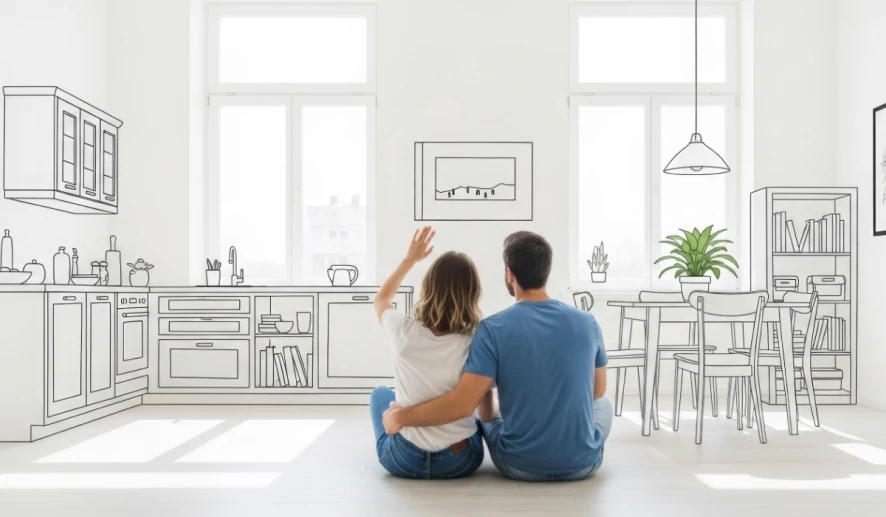
Let’s be honest—when you imagine building your own home, the first thing you picture is probably a mood board. Beautiful finishes, a dreamy kitchen, maybe a reading nook that gets the morning sun just right. And that’s fine. Inspiration matters.
But here’s the thing: inspiration without clarity is expensive. As architects, the most common challenge we face isn’t a lack of ideas—it’s clients arriving with beautiful dreams and blurry decisions.
So, let’s talk about what actually shapes a great home before a single wall gets drawn.
The Money Conversation
Your budget is bigger than you think Almost every client comes in with a number. And almost every client has only accounted for construction and materials. What often gets forgotten? Architectural design fees, execution costs, structural consultants, MEP services, and the dozens of expertise-driven decisions that quietly make a building a home.
A home isn’t a product you buy off a shelf. It’s a combination of design, execution, and expertise—all of which cost something.
Our advice: Once you have a number in mind, sit with it for a week. Then ask yourself what you haven’t accounted for. Budget conversations are uncomfortable, but having them early is infinitely better than mid-construction compromises.
A Shift in Mindset
The moment you build, you become a builder.
When you decide to build your own home, you stop being just a homeowner. You’re now a builder. That means grappling with feasibility, timelines, site constraints, and yes—compromises.
Even when designing our own studio space, we faced the same reality. The idea of perfection gives way to thoughtful trade-offs.
Achieving 90% of your vision—done right—is real success. Chasing 100% perfection often leads to stalled projects and broken budgets.
The Order of Things
Plan before you pick tiles.
Here’s a truth that surprises many first-time builders: planning comes before interiors. Always.
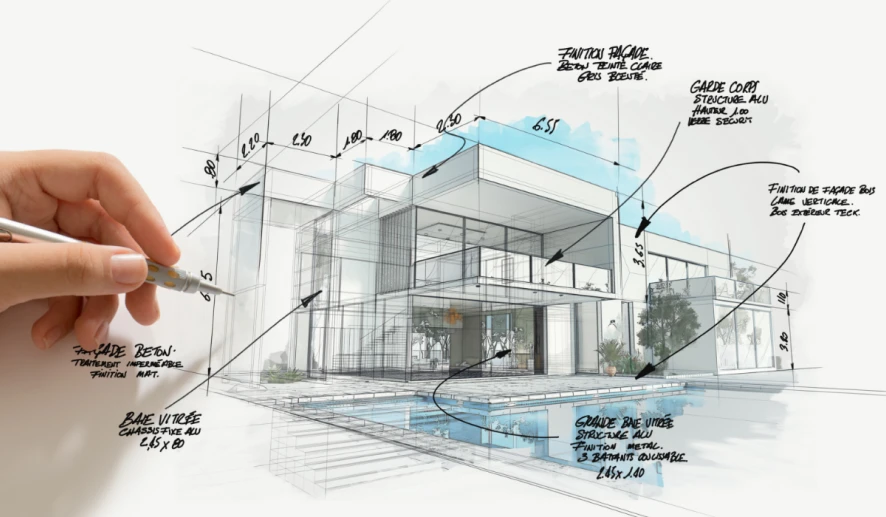
The spatial plan—how rooms connect, how light moves, where the wind enters—defines how a home actually feels. Beautiful interiors layered over poor planning will always feel incomplete.
Design with the future in mind too. Think 15 years ahead. Will your family grow? Will your parents move in? Will you work from home more?
A home that works today but struggles tomorrow isn’t quite the dream it seemed.
Before You Buy
Understand your site—it solves half your problems.
Where your home sits matters as much as how it’s designed. Sun path, wind direction, open sides, and surrounding context all influence design outcomes.
And yet, most people hire an architect after buying land—not before.
Hire your architect before you buy the plot. Let them evaluate potential and flag risks. It’s one of the smartest decisions you can make.
The Human Side
A home is for a family, not just an individual.
Families evolve. A young couple becomes parents. Parents grow older. Teenagers need privacy. A home designed around one person’s vision often creates friction over time. The best homes come from honest conversations—about routines, privacy, shared time, and lifestyle. These shape design far more than finishes ever will.
Key Takeaways
- Budget for everything — Don’t limit it to materials; include design, labour, and consultants.
- Plan before interiors — Spatial logic defines how a home feels.
- Think 15 years ahead — Design for your future life.
- Hire early — Bring your architect in before buying land.
- Know your site — Sun, wind, and context shape good design.
- Embrace the 90% — Thoughtful trade-offs beat perfection.