



The invisible impact of architecture: how design quietly shapes culture
Architecture Is Not Just Built. It Is Lived.
Most people experience architecture at the surface level—through form, materials, and aesthetics. But architecture is far more than what is seen. It is something lived, felt, and experienced every day.
An architectural design firm does not simply create buildings. It shapes behavior, relationships, and the way people exist together. In many ways, architecture is culture expressed through space.
From Shelter to Society
Since the beginning of time, every living being has sought shelter—for safety, comfort, and survival.
Humans, however, did something more. They built collectively. Communities became cities, and cities became civilizations. Through this process, architecture evolved into the invisible framework that defines how we live with one another.
We often believe a person’s lifestyle reflects who they are. Yet in many ways, the spaces they inhabit shape that lifestyle first.
The Silent Power of Space
Architecture has always influenced human behavior—quietly, but profoundly.
In Japan, where earthquakes and strong winds are common, architecture evolved to be light, flexible, and human-scaled.
In India, traditional Marwari havelis followed a different logic. Their central courtyards encouraged natural interaction and continuous social connection. Architecture did not merely accommodate living; it structured it.
When Planning Creates Identity
At the scale of cities, the impact of design becomes even more powerful.
Chandigarh remains a compelling example of how modern architecture and urban planning can shape society intentionally. Each sector was planned within a walkable radius, supported by shared amenities and communal spaces.
Shared spaces, in turn, create shared identities.
Where Modern Architecture Is Losing Its Way
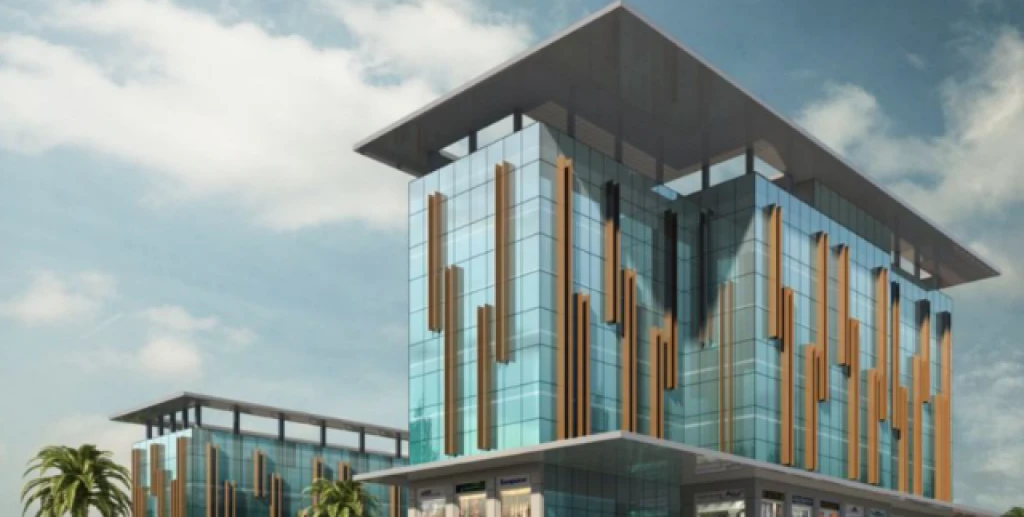
Much of what is called modern architecture today is often reduced to appearance—glass façades, clean lines, and premium finishes.
But where is the thought about how people actually live within these spaces?
Modern design should not reject the past; it should understand it and reinterpret it for the present.
We are building faster. But we are not always building better.
Designing Connection: A KC Studio Approach
In the residential project for Mr. Hrithik Agarwal, the intent was not simply to design a house, but to design a connected living experience.
The home is organized around a central atrium measuring 17’-8” x 32’-7”, linking different levels of the residence.
Movement becomes experiential.
Light travels across levels.
People remain visually connected.
Interaction is not forced.
It is designed.
Rethinking Modern Spaces
Buildings should not be treated as static containers.
The idea of a “street within a space” transforms movement into experience. Open pathways, vegetation, and activity zones create dynamic, engaging environments.
The problem is not density.
The problem is lack of intent.
The Responsibility of an Architectural Design Firm
Architects shape how people will live for years, often generations. Every design decision carries social impact.
Architecture is not only about designing spaces.
It is about designing behavior.
Designing Against Isolation
Humans are inherently social, yet many modern spaces unintentionally isolate.
Good architecture should bring people together, foster belonging, and create identity.
Spaces should encourage connection, not separation.
Final Thought
The future of architecture does not lie in creating more modern-looking buildings.
It lies in creating better-lived spaces.
Spaces that understand human behavior.
Spaces that encourage connection.
Spaces that shape culture.
Because every space we design today is quietly shaping the world of tomorrow.